Garden Clearance in Dulwich
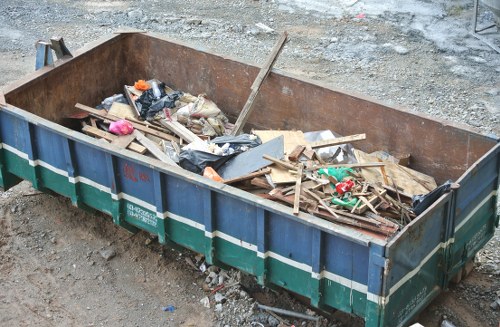
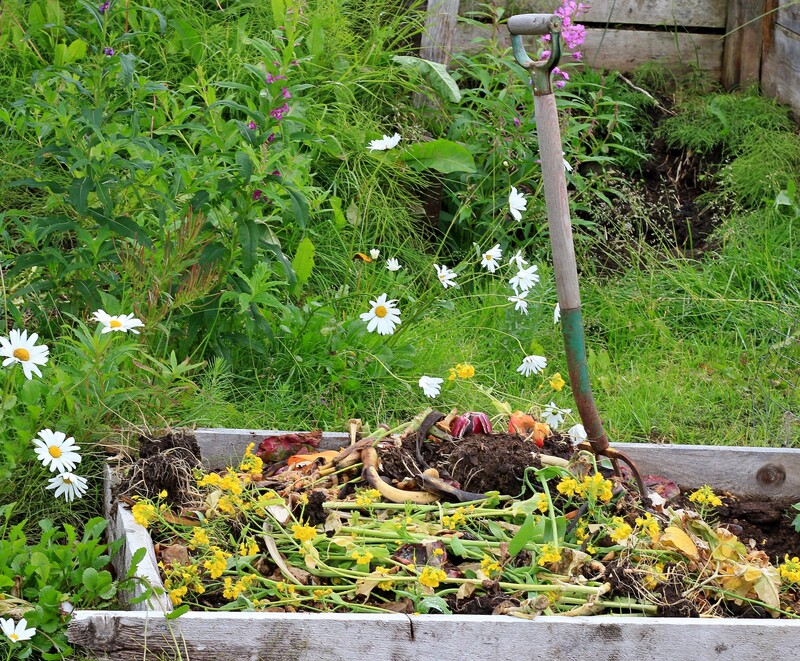
Garden clearance in Dulwich is a practical service for outdoor spaces that need tidying, shaping and careful waste removal. Whether a garden has become crowded with cuttings, broken pots, old timber, soil bags or general green waste, the aim is to restore usable space without leaving the customer to manage heavy lifting or multiple trips to a disposal site. We focus on clear, straightforward work that suits homes, rental properties and shared outdoor areas.
Our service covers common clearance tasks connected with seasonal maintenance, overgrown borders and one-off tidy-ups. That can include removing plant matter, moving unwanted outdoor items, loading waste safely and leaving the site ready for the next stage of gardening or landscaping. Where a job needs a slightly different approach, we can adapt the plan to match the access, the amount of material and the kind of waste involved.
To request a quotation, it helps to outline what is in the garden, how much needs removing and whether there is anything awkward to carry or separate. A brief description is often enough to begin with, and any extra detail makes it easier to match the right level of work to the task. If you are ready to get started, ask for a quote today.
What our garden clearance service covers
Garden clearance is broader than simply picking up loose debris. It can involve collecting waste from borders, lawns, beds, paths, sheds and side returns, then grouping it so that reusable material and rubbish are dealt with sensibly. The work may follow pruning, planting, hedge trimming or a long period without maintenance. A tidy finish usually depends on taking away what is no longer wanted rather than moving it from one corner to another.
We handle clearance work with an eye on the type of material as well as the amount. Soft green waste, mixed garden rubbish and heavier items such as broken planters or rotting timber may need different loading methods and disposal routes. The service is designed to be flexible enough for a single pile of cuttings or a more involved clear-out where several parts of the garden need attention in one visit.
Typical items and tasks may include:
- grass cuttings, hedge trimmings and general green waste
- old compost bags, dead plants and uprooted weeds
- broken pots, garden ornaments and damaged outdoor containers
- timber offcuts, fencing pieces and small dismantled outdoor fittings
- soil, turf and mixed waste gathered during clearance work
Green waste removal and seasonal tidying

One common part of garden clearance is the removal of green waste after pruning, mowing or border work. This material can build up quickly, especially when different tasks happen over several weekends or when a garden has been left untouched for a while. Clearing it away helps the space feel manageable again and reduces the pressure on the customer to sort, bag and move everything by hand.
Seasonal tidying often produces mixed loads rather than neat, separate piles. Leaves, twigs, spent plants and other organic material can be combined with old decorative items or light domestic rubbish from sheds and storage corners. A careful clearance plan makes it easier to keep those materials organised, which is useful when the garden contains both waste that can be treated as garden matter and items that need a different disposal approach.
In many gardens, the best results come from working from the edges inward, clearing obvious waste first and then dealing with what has been hidden beneath it. That approach can make patios, paths and planting areas easier to assess. It also supports later work such as replanting, pressure washing or soil improvement, because the surface is not still cluttered with loose debris.
Overgrown spaces and hard-to-reach corners

Some gardens need more than a simple tidy. When growth has spread across beds, fences or paths, clearance work may include removing dense waste from corners, lifting awkward items from behind stored materials and creating access where the space has become blocked. This kind of job is often about restoring order first, before any finer gardening can begin.
Overgrown spaces may contain a mix of organic waste and old household items that were left outside for convenience. Those areas often require steady, methodical clearing so that nothing important is missed and potentially sharp or heavy pieces are handled carefully. We can work through the space in sections, which is often the clearest way to deal with tangled waste without disturbing anything that should stay in place.
Useful priorities for this kind of clearance usually include safe access, sensible sorting and a final sweep through the area once the larger material has gone. That helps to reveal the true condition of the space and makes it easier to decide what comes next. If the garden is particularly congested, the work can be sequenced so the most urgent parts are dealt with first.
Why careful sorting matters
Garden clearance is not only about removing waste; it is also about dealing with different materials in a way that makes practical sense. Soil, wood, plastic, broken metal, plant matter and general rubbish do not always belong in the same pile. Sorting during clearance helps keep the work efficient and can make it easier to separate what can be managed as green waste from what needs alternative disposal.
That attention to detail is especially useful when a garden includes storage items, dismantled structures or decorative features that have started to break down. A measured approach helps avoid unnecessary disturbance and keeps the clearance process orderly. It also gives the customer a clearer picture of what has been removed, which matters when the job includes a range of different item types.
For many people, the benefit is not only the visible result but the way the space feels once it has been cleared. Paths become easier to use, borders are easier to inspect and there is more room to carry out repairs or planting. If you want to discuss a mixed load, we can quote for the full scope rather than treating each item as a separate job.
Preparing a quotation for garden clearance
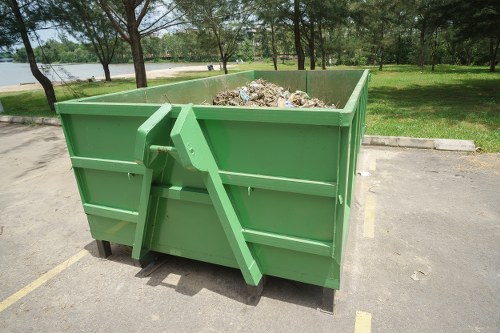
A quotation usually depends on the size of the clearance, the type of waste and how easy it is to reach. A small pile of cuttings on an open drive is very different from a back garden with narrow access, steps or heavy items to move. Sharing clear details from the start makes it easier to estimate the amount of work involved and plan the right approach.
When making an enquiry, it is useful to mention any access limits, whether the waste is bagged or loose, and if there are items that need careful handling. Photographs can be helpful, especially when the garden contains a mix of materials or when the boundaries between garden waste and other rubbish are not obvious. If there are several areas to clear, a short list of what needs removing can be just as useful as a single image.
This stage is also where practical choices become clearer. Some customers want a full clear-out, while others only need specific sections tackled first. In either case, the aim is to shape the work around the garden as it stands, not around a fixed template. Send the details that best describe the job and we can respond with a suitable quotation.
Domestic gardens, rental properties and communal spaces
Garden clearance can be useful in different settings, not just private homes. Rental properties may need outdoor waste removed between tenancies, while communal gardens sometimes require a tidy-up after seasonal growth or a build-up of discarded items. In each case, the practical aim is the same: clear the space in a careful way so that it is easier to maintain and easier to use.
Domestic gardens often contain a mixture of materials that have accumulated gradually. Broken outdoor furniture, old bags of soil, collapsed plant supports and leftover landscaping materials can all find their way into one area. A structured clearance helps remove that clutter without overlooking smaller pieces that can spoil the finish if they are left behind. The work can be scaled to the size of the garden and the amount of waste present.
For landlords and managing agents, the main priority is often consistency. The job needs to be clear, reliable and practical, with the waste taken away in a way that leaves the outdoor area ready for inspection or further upkeep. Book a site description if the garden contains a varied mix of items and you want the scope understood before work begins.
About Dulwich
Dulwich is a district in south London associated with a distinctive mix of residential streets, green space and historic institutions. Much of its character is shaped by Dulwich Village, the oldest part of the area, where well-preserved buildings and a village-like layout sit alongside modern everyday life. The district includes notable cultural landmarks such as Dulwich Picture Gallery, founded in 1811 and recognised as one of the earliest public art galleries in England, and Dulwich College, whose origins date back to the early seventeenth century. These institutions give the area a strong sense of continuity, linking present-day Dulwich with earlier phases of its development.
Open space is an important part of the local landscape. Dulwich Park, created in the nineteenth century and now a well-used public park, provides broad paths, mature trees and areas for walking and recreation. Nearby, Belair Park and Sydenham Hill Wood contribute to the district’s greenery, while the network of residential roads includes stretches of period housing, local shops and small civic buildings. The area is divided into distinct but connected neighbourhoods, including East Dulwich and West Dulwich, each with its own character while remaining part of the wider district. The relationship between these areas is visible in the mix of architecture, movement and community life that runs through the locality. Dulwich also sits close to several other South London districts, yet it maintains a recognisable identity of its own through its schools, parks, and long-standing cultural associations.
Clearing items with the right level of care
Not every garden clearance is the same. Some jobs are mostly about light organic waste, while others involve heavier material or awkward items that need more thought before they are moved. The right approach depends on the contents of the space, the route out of the property and whether anything needs to be separated before loading. A careful method reduces disruption and keeps the work efficient.
Where timber, metal or damaged outdoor fittings are present, it is sensible to consider how each item will be handled rather than adding everything to one pile. This is especially true if the garden contains items left behind after DIY work, seasonal rearrangement or the removal of old landscaping features. A clear plan helps avoid rushed decisions on site and keeps the clearance process organised from start to finish.
When the garden includes both delicate and bulky material, the order of removal matters. It can be better to free up access first, then remove the larger waste, and finally deal with the smaller debris that remains. That leaves the space easier to inspect and makes the final finish more consistent. If you are unsure where to start, a simple conversation about the garden’s contents is a sensible first step.
Practical work around sheds, paths and borders
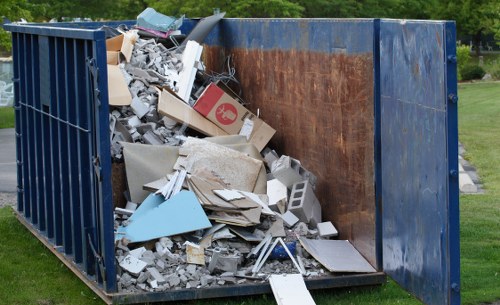
Garden clearance often extends into spaces that are easy to overlook, including the area around sheds, narrow side paths and planted borders. These spots can gather waste gradually because they are convenient places to leave offcuts, broken containers or items that are waiting to be dealt with later. A full tidy-up pays attention to these corners as well as the more obvious piles in the open garden.
Sheds and storage areas may contain mixed items that need sorting before removal, particularly if outdoor tools, packaging and disused materials have been left together. Paths may be blocked by bags or loose debris, and borders can hide brittle branches, tangled weeds or fragments of broken edging. Working through those details one section at a time often produces the neatest result and helps avoid leaving partial waste behind.
If you are planning follow-on work such as planting, patio cleaning or repairs, a well-cleared base makes each next step easier. Request your quotation now and we can discuss the kind of garden clearance you need, the material involved and the level of support that would be most appropriate.