Dulwich business rubbish removal for cafes on Lordship Lane
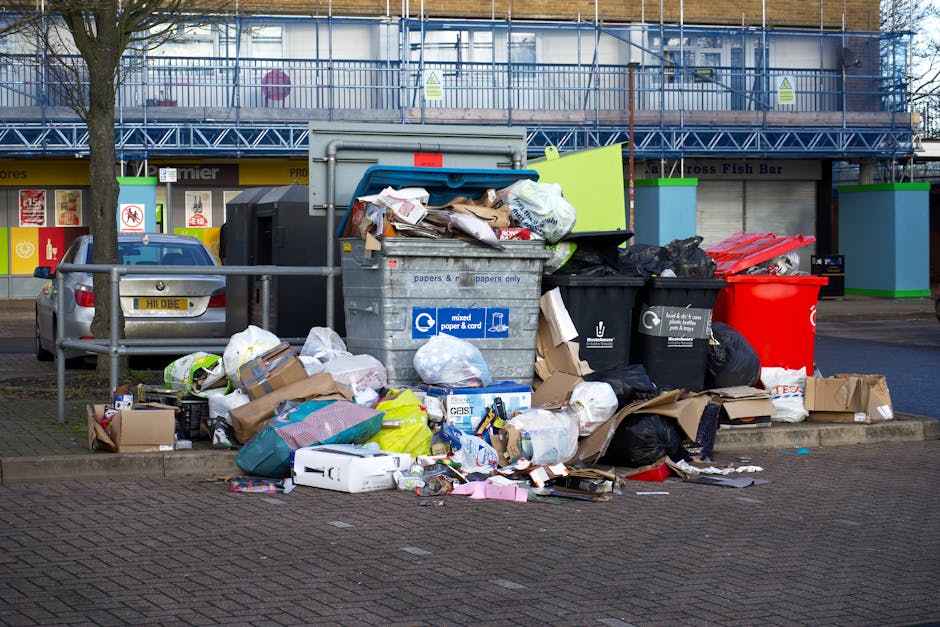
If you run a cafe on Lordship Lane, rubbish builds up in a way that can feel relentless. Coffee grounds, cardboard, packaging, broken glass, old chairs, food prep waste, worn-out storage tubs, delivery debris, the odd bit of damaged furniture, it all creeps in quietly and then suddenly becomes the thing everyone is stepping around. Dulwich business rubbish removal for cafes on Lordship Lane is really about getting ahead of that mess before it starts affecting service, hygiene, presentation, and the mood of the place. And let's be honest, a clean back-of-house area makes a busy shift feel about 30% less stressful.
This guide walks through how cafe rubbish removal works, what matters most on Lordship Lane, the practical benefits, the common pitfalls, and how to choose an approach that fits a small hospitality business rather than a generic commercial unit. You will also find a checklist, a comparison table, and answers to the questions cafe owners tend to ask when they are juggling bins, deliveries, and customers at the same time.
Why Dulwich business rubbish removal for cafes on Lordship Lane Matters
Cafes are not like offices. Waste is constant, varied, and often time-sensitive. One morning you may be dealing with dry packaging and takeaway cups; by lunchtime you could have food scraps, sauce tubs, broken crate handles, greasy cardboard, and the remnants of a refurb or equipment swap. If it is left too long, the result is obvious: smells, pest risk, clutter in service areas, and staff losing time to tiny cleanup jobs that somehow become the whole shift.
Lordship Lane adds its own layer. It is a lively, busy stretch, and that means limited patience for overflowing bins, awkward collections, or waste left in places that make pavement access difficult. Cafes in this kind of setting need rubbish removal that feels predictable and discreet. Not dramatic. Not noisy. Just reliable.
There is also the customer-facing side. People notice a lot more than you think. A clean frontage, tidy storage corner, and well-managed bin area shape the impression of the business before anyone has even ordered. If a cafe looks organised in the bits customers do not usually see, they tend to trust the parts they do.
Practical takeaway: for cafes, rubbish removal is not just about clearing waste. It is about protecting service flow, hygiene, staff morale, and the overall feel of the business.
If your cafe occasionally needs help with larger items as well as day-to-day rubbish, it may also be useful to look at business waste removal as a broader service option, especially when the waste stream is mixed and not just standard bin waste.
How Dulwich business rubbish removal for cafes on Lordship Lane Works
In simple terms, cafe rubbish removal usually starts with identifying what needs to go, how much there is, and how urgently it needs moving. For a cafe, that often includes bags of general waste, recycling, cardboard, food-related waste that should not sit around, and any bulky items that are no longer useful. A removal team then arranges a collection window that fits your trading hours and access constraints.
The best process is flexible. Some cafe waste can be handled in a single visit. Other jobs need a staged approach because the storage area is cramped, the back entrance is awkward, or the waste includes a mix of loose items and larger pieces. To be fair, cafes rarely have the luxury of a huge loading bay. Most are making the best of a small space and a lot of foot traffic.
Typical steps look like this:
- You explain what needs clearing, roughly how much there is, and whether anything is fragile, greasy, or awkward to move.
- The waste is assessed so the removal plan matches the volume and access.
- A collection time is chosen to avoid peak service where possible.
- The team removes the rubbish, separates recyclable material where practical, and clears the area down.
- You are left with a more workable space, rather than a pile of bags waiting for later.
For some cafes, this may be linked with removing old shelving, worn stools, damaged dining furniture, or back-of-house items that no longer serve the business. In those cases, a service such as furniture disposal can be especially useful, because cafe waste often becomes bulky very quickly without warning.
If the job is a broader clear-out, perhaps before a relaunch or after a lease change, waste removal can help cover mixed loads that do not fit neatly into one waste category.
Key Benefits and Practical Advantages
The biggest benefit is obvious: you get space back. But the practical advantages go a bit deeper than that.
- Better hygiene: waste does not linger, which reduces odours and keeps cleaning easier.
- Faster service: staff are not weaving around bags or trying to tidy as they go.
- Safer working conditions: fewer trip hazards, less overstacking, and less clutter near prep areas.
- More efficient storage: once rubbish is removed properly, the remaining useful stock is easier to organise.
- Improved presentation: customers notice neatness, especially around the entrance and takeaway counter.
- Less pressure on staff: no one wants to finish a closing shift wrestling with awkward bins and wet cardboard.
There is also a money angle, although not always in the dramatic way people imagine. A better waste routine can reduce the time staff spend dealing with overflow, the chances of damaged stock sitting too long, and the need for emergency cleanups. It sounds minor. It is not minor when you are doing it week after week.
Another quiet advantage is consistency. Once a cafe has a rhythm for waste clearance, the place tends to run more smoothly. You notice fewer "we'll sort that tomorrow" moments, and frankly that phrase can become a bit of a problem in hospitality.
Who This Is For and When It Makes Sense
This kind of service is a good fit for a wide range of hospitality setups on or near Lordship Lane, especially where waste volumes are irregular or where space is tight. It is not only for large cafes. Small independents often need it even more, because they have less storage and less margin for mess.
It makes sense if you are:
- opening a new cafe and need packaging or setup waste cleared
- refreshing seating, counters, or back-of-house storage
- dealing with recurring overflow from cardboard and mixed rubbish
- closing for renovation, seasonal change, or stock reorganisation
- replacing damaged furniture, shelving, or appliances
- trying to keep waste separate from normal daily bin collections
If your space is effectively doing double duty - part cafe, part storage, part mini stockroom, part "we'll deal with it later" corner - then regular business rubbish removal becomes less of a luxury and more of a sensible operating choice.
There are also times when a cafe and another type of clearance overlap. For example, if you are clearing out upstairs storage above a hospitality unit, office clearance can be relevant for desks, files, and non-hospitality furniture, while builders waste clearance may be the better fit after internal works or fit-out changes.
Step-by-Step Guidance
If you want the process to feel easy rather than chaotic, it helps to follow a simple plan. No fancy system needed. Just a clean sequence.
1. Separate what is waste from what is still useful
Walk through the cafe and split items into clear groups: rubbish, recycling, reusable stock, and bulky items for removal. This saves time later and stops useful things being thrown out by mistake. It sounds obvious, but in a rush, obvious things get skipped.
2. Identify access points
Think about where the waste can leave the building without disrupting customers or blocking delivery routes. On a busy road, even a small gap matters. If the route is narrow, uneven, or shared with neighbours, that needs planning upfront.
3. Estimate the volume honestly
It is tempting to understate the amount because nobody likes to admit how much has piled up. But if there are three bags, say three bags. If there are a few awkward bits behind the counter, mention them. Honest estimates lead to fewer surprises.
4. Choose a time that suits trading
Early morning, between service windows, or after close are all common choices. The right time depends on your cafe rhythm. A 30-minute collection that happens at the wrong moment can feel much bigger than a one-hour job done quietly at a sensible time.
5. Keep a clear collection area
Before the team arrives, group items in one place if possible. That could be by a rear access door, a yard, or an internal holding area. The less moving around the crew has to do, the smoother everything goes.
6. Check what is being removed
Before the load goes, confirm that all intended items are included and that anything you wanted to keep is safely out of the way. A quick final check prevents the awkward moment where someone says, "hang on, that rack was not meant to go."
7. Re-set the space immediately after
Once the waste is gone, give the area a proper reset. Sweep, wipe, reorder, and make sure the next delivery or service session starts with a clean slate. That reset is often where the real value appears.
Expert Tips for Better Results
Small details make a real difference with cafe rubbish removal. Here are the ones that tend to matter most in practice.
- Bag waste by type where you can. Cardboard, general waste, and food-related waste should not all be mixed if it can be avoided.
- Flatten boxes before collection. You will be surprised how much space that saves. Honest truth, cardboard is often the sneakiest volume thief in a cafe.
- Schedule clear-outs before peak seasons. If you know weekends or holidays get hectic, clear the clutter before the rush, not during it.
- Keep a standing "remove this" list. One broken stool here, one damaged shelf there. It adds up quickly.
- Do not let waste spill into customer paths. Even briefly. It creates a poor impression and increases trip risk.
- Plan for wet waste separately. Damp packaging and food waste behave differently from dry waste, especially in smell and handling.
One useful habit is to treat rubbish as part of operations, not as a side issue. The best-run cafes I have seen all do this. Nothing flashy. Just a steady system that stops chaos from building up in the background.
If you are also upgrading the room, replacing seating, or moving old display pieces, the furniture side of the job may be worth handling at the same time. Furniture clearance can be a cleaner solution than trying to piece together a one-off disposal plan for every item.
Common Mistakes to Avoid
The most common mistake is waiting too long. Waste builds quietly, then suddenly becomes an operational problem. People put it off because the cafe is busy, then the cafe gets busier, and somehow the pile does not become less of a pile. Classic.
Other mistakes include:
- Mixing everything together. This makes sorting harder and can reduce recycling opportunities.
- Ignoring access issues. Narrow alleys, locked gates, or shared entrances need advance planning.
- Leaving bulky items until the last minute. Heavy furniture or equipment is never as easy to move as it looks.
- Assuming all waste is the same. Hospitality waste often needs more thought than office rubbish.
- Clearing during peak trading without a plan. It can affect customers, staff flow, and safety.
- Forgetting about the post-clearance clean. Waste gone does not automatically mean the space is ready.
Another subtle mistake is failing to involve staff. The person managing the rota might not be the person who knows where the broken storage bins are hiding, or which corner has become the unofficial graveyard of old packaging. Ask the team. They usually know exactly where the problem lives.
Tools, Resources and Recommendations
You do not need a mountain of equipment, but a few practical tools help cafes stay in control between collections.
- Colour-coded bins or labelled sacks: useful for separating waste types quickly.
- Stackable storage crates: helps keep reusable stock away from general waste.
- Heavy-duty gloves: sensible for anyone handling rough packaging or broken items.
- Clear signage: a simple label can stop recycling from being contaminated.
- Trolley or sack truck: handy for moving heavier items safely.
- Routine cleaning kit: broom, cloths, disinfectant, and a dustpan should always be close by.
For businesses thinking about how waste handling fits into wider operations, it can help to review service information for pricing and quotes so you can plan around budgets without guessing. If sustainability is important to your brand - and it often is for cafes - then recycling and sustainability is worth considering as part of the overall waste strategy.
If you want to understand the business behind the service, the company's about us page can also give a sense of the approach and working style. That matters more than people sometimes think.
Law, Compliance, Standards, or Best Practice
For cafe owners, compliance is mainly about handling waste responsibly and keeping the workplace safe. You do not need to become a waste-law expert, but you do need to treat rubbish properly and work with a provider that understands the basics of commercial waste handling. In the UK, businesses generally have duties around storing waste securely, avoiding nuisance, and ensuring waste is transferred to an appropriate handler.
In practical terms, that means a few things:
- waste should be stored so it does not create odour, spillage, or pest issues
- hazardous or awkward items should be identified early
- staff should not be put at unnecessary risk during lifting or moving
- records, receipts, or transfer details should be kept where relevant to the business
Health and safety is just as important as disposal. Wet floors, sharp packaging edges, overfilled bags, and blocked exits are all avoidable hazards. A sensible provider will think about access, lifting, and safe movement rather than simply showing up and grabbing whatever is closest. You can also review a provider's health and safety policy and insurance and safety information if you want reassurance before booking.
For business customers, payment clarity matters too. It is helpful to know how invoicing and card handling work before the job starts. Payment and security explains that side of things in plain language, which is one less thing to chase in the middle of a busy week.
If you ever need to check service terms, especially around access, cancellation, or what happens when the job changes on the day, the terms and conditions are worth reading. Not glamorous, no, but useful.
Options, Methods, or Comparison Table
Not every cafe needs the same waste solution. Some can manage with routine bin collection and occasional bulky-item removal. Others need a more hands-on service because of storage limits, refurbishments, or frequent overflows. Here is a simple comparison.
| Option | Best for | Strengths | Limitations |
|---|---|---|---|
| Standard bin collections only | Very small waste volumes | Simple and predictable | Not enough for bulky items or sudden clear-outs |
| Regular commercial waste removal | Busy cafes with consistent waste output | Reliable, scalable, good for day-to-day operations | May still need extra help for furniture or one-off bulky waste |
| One-off rubbish clearance | Refits, deep cleans, closures, stock changes | Fast reset of the space | Not a long-term routine solution on its own |
| Mixed waste and furniture removal | Cafes replacing seating or storage | Good for combined jobs, fewer separate arrangements | Needs good planning so useful items are not removed by mistake |
If you are comparing options, the real question is not "which is cheapest?" but "which one keeps the business running smoothly with the least friction?" That tends to be the better test. Cheap and awkward is still awkward.
Case Study or Real-World Example
Imagine a small independent cafe on Lordship Lane that has been running for a few years. The front-of-house looks fine, but the back storage area has slowly become a mix of cardboard, old stools, spare menu boards, packaging from deliveries, and a couple of damaged shelves that nobody has had time to deal with. It is not a disaster. But every shift, someone has to step around it.
The owners decide to clear it in one go. First they separate what can be kept, recycled, or donated internally. Then they identify the bulky items that need removing and choose a collection window before morning service. The team clears the access route, stacks the waste neatly, and gets the space emptied in one visit. Once it is gone, they sweep the floor, re-line the storage area, and reorganise stock so the room works properly again.
The visible change is obvious. The less visible change is better. Staff stop doing awkward side-steps every time they pass through. Delivery items are easier to put away. The manager has one less nagging task hanging over them. That is the bit people usually remember after a week or two. Not the removal itself, but the breathing room it creates.
Truth be told, a good clearance often feels less like a service and more like someone turning the volume down on a noisy part of the business.
Practical Checklist
Use this checklist before arranging cafe rubbish removal on Lordship Lane:
- Identify all waste types: general, cardboard, food-related, and bulky items.
- Separate anything reusable from items that should go.
- Check the access route from storage to collection point.
- Confirm a time that avoids peak service where possible.
- Flatten boxes and bag smaller items securely.
- Keep sharps, broken glass, and wet waste clearly identified.
- Move staff personal items and valuable stock out of the way.
- Tell the team what is being removed and what is staying.
- Prepare cleaning materials for a quick reset afterwards.
- Review any relevant terms, safety details, and payment arrangements in advance.
Expert summary: if the waste is easy to see but hard to manage, you probably need a planned removal rather than another round of "we'll sort it later." Cafes work best when the messy stuff is handled quickly and quietly, leaving the team free to focus on customers, not clutter.
Conclusion
Dulwich business rubbish removal for cafes on Lordship Lane is really about making everyday hospitality easier to run. It protects hygiene, improves flow, reduces stress, and helps your cafe present itself the way you want customers to experience it: calm, tidy, and ready for service. The best systems are the ones you barely have to think about because they fit the way the business already works.
If you are planning a clear-out, dealing with overflow, or simply trying to get ahead of the next busy spell, take a practical approach. Separate waste early, plan access properly, and choose a service that understands cafe life is not neat, not predictable, and definitely not designed around empty schedules. That is fine. The point is to work with it.
Get a free quote today and see how much you can save.
Frequently Asked Questions
What kind of waste do cafes on Lordship Lane usually need removed?
Most cafes need help with mixed waste: cardboard, packaging, food-related waste, broken small fixtures, worn furniture, and occasional bulky items from refurbishments or stock changes.
Is business rubbish removal different from normal bin collection?
Yes. Bin collection handles regular waste output, while business rubbish removal is better for bulkier loads, one-off clearances, mixed waste, or items that cannot simply go into the usual bins.
Can cafe waste be removed outside trading hours?
Usually, yes. In fact, early morning or after close is often best because it reduces disruption to customers and staff. Timing matters more than people think.
What should I do before a rubbish removal team arrives?
Separate waste types, flatten cardboard, clear access routes, protect anything you are keeping, and let staff know which area is being used for collection.
Do I need to sort recycling before collection?
It helps. Clean separation of cardboard and other recyclable material can make the job more efficient and reduce confusion on the day.
What if my cafe has old chairs, shelves, or counters as well as rubbish?
That is common. Bulky items can often be cleared alongside general waste, and furniture-focused services may be useful when the load includes seating, shelving, or other large pieces.
How do I know if I need a one-off clearance or a regular service?
If the waste builds up irregularly or after projects, a one-off clearance may be enough. If rubbish accumulates every week and the space is always tight, a regular commercial solution is usually better.
Is cafe rubbish removal suitable for small independent businesses?
Absolutely. Small cafes often benefit the most because they have limited storage and less room for waste to sit around unnoticed.
What are the biggest mistakes cafe owners make with waste removal?
Leaving it too long, mixing waste types, ignoring access issues, and trying to do a clear-out during busy service without planning are the main ones.
Will a removal service help with compliance and safety?
A good one should. At a minimum, they should understand safe handling, sensible access planning, and responsible waste transfer. It is worth checking their safety information before booking.
How can I make my cafe waste routine more sustainable?
Start by separating recyclables, reducing unnecessary packaging where possible, and making sure reusable items are not being thrown out by accident. Small habits make a real difference over time.
What is the best next step if I am not sure what service I need?
List the items you want removed, note whether they are bulky or mixed, and review the most relevant service pages so you can match the job to the right type of clearance. If you need help deciding, start with the business waste information and build from there.
When the back room is calmer and the bins are under control, the whole cafe feels lighter. That is the quiet win, and it matters more than most people admit.