Cheap bulky rubbish removal quotes for East Dulwich flats
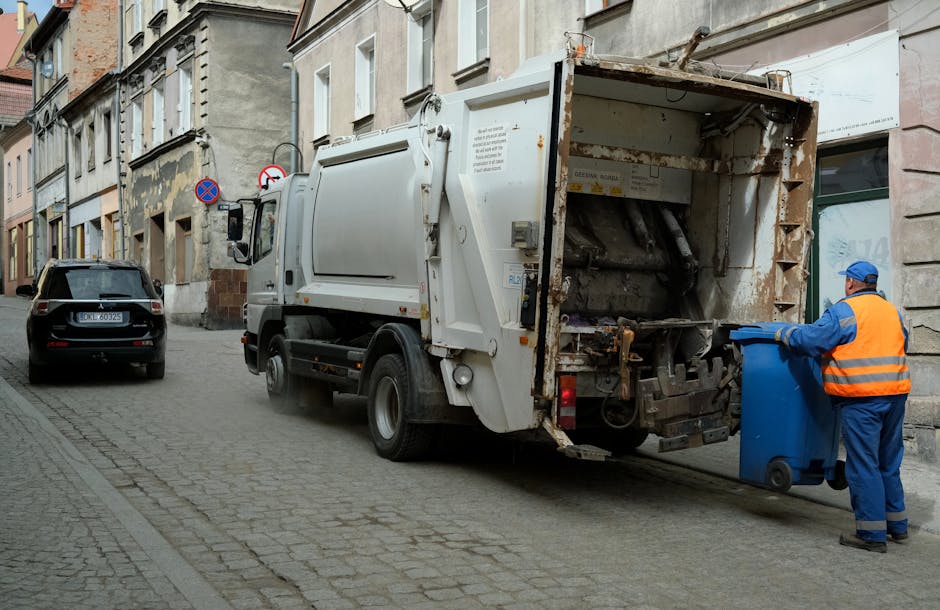
If you live in a flat in East Dulwich and a sofa, mattress, broken wardrobe, or old TV is taking over your hallway, you are not alone. Bulky waste has a habit of turning up at the worst possible time - usually just before guests arrive, a move-out date is looming, or the bin store is already full to the brim. Getting cheap bulky rubbish removal quotes for East Dulwich flats is less about chasing the lowest number and more about finding a service that is quick, fair, and realistic about access, loading time, and disposal.
In this guide, we will walk through how quotes work, what affects the price, how to compare options without overpaying, and what to expect from a flat clearance job in a busy London setting. We will also cover common mistakes, practical checks, compliance basics, and a few local realities that people often miss. Let's face it: stairs, narrow entrances, awkward parking, and "just one more item" can change a quote faster than you'd think.
Why Cheap bulky rubbish removal quotes for East Dulwich flats Matters
Flats are different from houses. That sounds obvious, but pricing often shows the difference in a very practical way. A job in a ground-floor maisonette with a private entrance is not the same as carrying a three-seater sofa down four flights of stairs through a shared corridor while trying not to knock over a frame in the hallway. In East Dulwich, that distinction matters because access can be tight, parking can be awkward, and collections often need to be done quickly and neatly.
Cheap does not have to mean cut corners. What most people actually want is value: a quote that reflects the real work involved, without hidden extras later on. That might include the item count, weight, labour time, floor level, access route, and whether the items need dismantling before removal. A decent quote should make the job feel predictable, not vague.
It also matters because bulky rubbish in flats can become a daily nuisance fast. A mattress leaning beside the door, a pile of packaging on the landing, or an old wardrobe sitting in the living room can block space, make cleaning harder, and create a bit of tension with neighbours. Nobody wants that. If you are planning a move, refurbishing a rental, or clearing out after a delivery, getting the rubbish gone promptly is often worth more than shaving a few pounds off a quote.
For larger or mixed clearances, it can help to understand related services too. For example, if your flat clearance includes old seating, tables, or beds, you may want to look at furniture clearance or furniture disposal options. If the job is bigger than a few bulky items, a broader flat clearance service may be the more practical route.
How Cheap bulky rubbish removal quotes for East Dulwich flats Works
Most quotes start with the basics: what needs removing, how much there is, and how easy it is to get it out. A single broken sofa from a first-floor flat is one thing. A full load of mixed junk from a top-floor flat with no lift is another. That's why the cheapest-looking quote online can sometimes become the most expensive once the crew turns up and discovers the reality on site. Not ideal.
Usually, the process follows a simple pattern:
- Describe the items - list the bulky waste, any loose rubbish, and whether anything is especially heavy or awkward.
- Explain access - mention floor level, lift availability, parking restrictions, and distance from the flat to the vehicle.
- Request a quote - ideally with enough detail for a realistic estimate rather than a rough guess.
- Confirm the scope - check whether dismantling, loading, sweeping, or recycling is included.
- Book the collection - choose a time that suits your building and avoids peak hassle where possible.
In practice, the best quotes are the ones that ask good questions. If a company wants to know whether the sofa splits apart, whether the lift is working, and whether there is parking nearby, that is usually a sign they are trying to price the job properly. Slightly annoying at first? Maybe. But it usually saves headaches later.
If your clearance includes other types of waste, it is worth checking whether the company covers waste removal more broadly, or whether the job should be treated as a specialist load. Builders' rubble, office furniture, garden waste, and household clutter all behave differently on a quote. A single category rarely fits all.
Key Benefits and Practical Advantages
There are a few reasons people search specifically for cheap quotes rather than simply "bulky waste removal." Cost matters, of course, but it is not the only reason. A good quote also gives you control. You know what is being removed, when it will happen, and what the service includes. That is a small relief, but a real one.
- Budget control: You can compare options before committing, which helps when moving costs or deposit deductions are already eating into your budget.
- Time saved: One collection can clear hours of carrying, sorting, and maybe a little grumbling on the stairs.
- Better flat safety: Reducing clutter lowers trip hazards and opens up escape routes, which is especially useful in compact flats.
- Less neighbour friction: Fast removal keeps shared spaces tidier and avoids items lingering in hallways or bin stores.
- Cleaner handover: If you are moving out, a proper clearance can make the flat easier to clean and present.
There is also a practical comfort factor. Many people underestimate the physical side of bulky rubbish removal until they try shifting a heavy wardrobe down a staircase on their own. Truth be told, it is the sort of job that seems manageable until halfway through, when the doorframe says otherwise.
For readers looking for related reassurance around trust and service quality, it can be useful to review the company's about us page, as well as its insurance and safety information. Those details do not magically make a quote cheaper, but they do make it easier to judge whether a low price is genuinely good value.
Who This Is For and When It Makes Sense
This service is a good fit for people who need a quick, tidy, and cost-conscious way to remove one or more bulky items from a flat. If that sounds broad, it is because the use cases are broad. East Dulwich includes all sorts of homes, from compact rental flats to larger converted properties, and the need for bulky waste removal can crop up in any of them.
It makes sense if you are:
- moving out and need to clear unwanted furniture
- replacing a mattress, sofa, wardrobe, or table
- helping a landlord or letting agent prepare a flat for new tenants
- dealing with post-delivery packaging or broken household items
- tidying after a renovation or light DIY project
- clearing a storage cupboard, balcony, or shared area that has become cluttered
If the job involves multiple room contents, inherited items, or a more emotional clear-out, the scope may be closer to home clearance or even house clearance if the property is larger. That distinction matters because flat quotes tend to focus more on access and load size, while wider clearances need a broader plan.
Sometimes the answer is a very small job, which is fine. A single sofa or washing machine can still be worth collecting professionally if you do not want to wrestle with transport, lifting, or disposal logistics. There is no prize for doing it the hard way.
Step-by-Step Guidance
If you want a cheap but fair quote, a little preparation goes a long way. Not a huge amount. Just enough to make the job easy to assess.
- List everything clearly. Include item type, quantity, and rough size. "Two dismantled wardrobes, one mattress, five rubbish bags" is far more useful than "a bit of stuff."
- Photograph the load. Wide shots and close-ups help the provider see what they are dealing with. If there is a lift, show that too. If there are stairs, show those as well.
- Explain access honestly. Mention whether there is parking close by, whether the road is narrow, and whether the route passes through a shared hallway or courtyard.
- Ask what is included. Does the quote cover labour, loading, dismantling, disposal, sweeping, and recycling? If not, ask where the extra charges might appear.
- Compare like with like. Two quotes only mean something if they cover the same job scope. A lower number can be misleading if it excludes the difficult parts.
- Book a sensible slot. Mid-morning or early afternoon often works better than the frantic edges of the day, though local building rules and your own schedule may steer that choice.
- Prepare the items. Separate what is going, remove personal belongings, and clear a path from the flat to the exit if possible.
If your bulky rubbish is mixed with renovation debris, you may also need builders waste clearance. That is especially relevant if you have tiles, plasterboard, timber offcuts, or broken fixtures. A flat filled with post-refurbishment rubble is not the same as a flat with a spare sofa. The quote should reflect that.
One small but useful habit: write down the original quote scope after booking. It sounds a bit fussy, but when the van arrives and everyone is busy, clarity helps. Very much so.
Expert Tips for Better Results
In our experience, the cheapest useful quote is usually the one built on accurate information. That sounds obvious, yet it is where people slip up. A rushed estimate can cost more later, or worse, delay the collection when you need it done fast.
Here are a few practical ways to improve the outcome:
- Bundle items where possible. One visit for several items is usually better value than multiple small collections.
- Be precise about bulky items. A bed frame, mattress, chest of drawers, and sofa all require different handling.
- Check whether dismantling is needed. A wardrobe that fits in pieces is often easier and cheaper to remove than one that has to be manoeuvred whole.
- Ask about recycling. Even if you are focused on price, it is sensible to know how reusable or recyclable materials are handled.
- Take care with access times. Busy morning traffic, school runs, and parking pressure can affect how smoothly a collection runs.
For some flats, the smarter move is to combine items into one removal rather than getting separate quotes for each object. A sofa here, a mattress there, an old desk next week - it adds up. The van, the labour, the access time, all of it. One clean sweep is often simpler.
It can also be worth checking the provider's pricing and quotes guidance if it is available. Even a short explanation of how pricing is structured can help you spot whether a low offer is genuinely competitive or just incomplete.
Common Mistakes to Avoid
Cheap quotes are easiest to find when the information is accurate. The mistakes below are common, and to be fair, most of them happen because people are in a rush.
- Not mentioning stairs or no lift: This is the classic one. Floor level changes the work involved more than people think.
- Leaving out heavy or awkward items: A hidden freezer, bed base, or double wardrobe can change the quote on arrival.
- Comparing quotes with different scopes: One quote may include loading and disposal, another may not.
- Forgetting parking or access limits: In London, access is not a small detail. It can be the whole game.
- Mixing general rubbish with specialist waste: Builders' debris, electrical items, and bulk furniture are often priced differently.
- Not checking trust signals: A cheap quote is less helpful if the company cannot clearly explain safety, payments, or complaints handling.
Another easy oversight is leaving small personal items tucked inside furniture. Drawers, cupboard tops, and behind-sofa gaps have a funny way of holding onto things you meant to keep. Check once, then check again. Saves awkward surprises later.
If you want a better sense of how a provider handles customer concerns, have a look at the complaints procedure and terms and conditions. These pages can tell you a lot about how the service is set up, even before you book.
Tools, Resources and Recommendations
You do not need much to organise a bulky rubbish quote well, but a few simple tools make the process smoother. Nothing fancy. Just practical little helpers.
- Phone camera: Take clear photos from the doorway and in context, not just close-ups of the item.
- Notes app: Keep a list of everything going, including any items that may need dismantling.
- Tape measure: Especially useful for large sofas, bed frames, or wardrobes that might be difficult to move.
- Building access details: Know your floor number, lift access, entry code, and parking restrictions before you request a quote.
- Payment check: Confirm how payment is handled and whether the provider has clear security information, such as on payment and security.
For anyone who wants a more sustainability-led clearance, it is sensible to ask how materials are sorted and what happens to reusable items. The company's recycling and sustainability page can be a useful place to check that approach. Not every item can be reused, of course, but the handling process still matters.
If you are dealing with specialist household items, these related pages may also help you frame the job correctly: garage clearance for stored tools and mixed clutter, loft clearance for awkwardly packed items, and office clearance if the removal includes desks, chairs, or filing furniture.
Law, Compliance, Standards, or Best Practice
Bulky rubbish removal is not just about lifting items into a van. In the UK, waste has to be handled responsibly, and that means using a provider that understands appropriate disposal, safe handling, and traceable processes. You do not need to know every technical detail, but you should expect the business to act responsibly and within accepted practice.
At a practical level, that means:
- items should not be dumped illegally
- the removal process should not create avoidable hazards in shared spaces
- payment terms should be clear before work begins
- the company should be able to explain how it handles waste and recycling
- staff should work safely around stairwells, doors, and communal areas
If you are using a clearance team, it is sensible to ask whether they have suitable insurance and follow safe working practices. That is not being fussy; it is basic due diligence. A knocked wall, damaged banister, or injury in a narrow stairwell is the sort of thing nobody wants to deal with. Ever.
Where personal data, confidential papers, or business material is involved, extra care is sensible too. For some users, that means looking beyond standard domestic clearances and considering whether a more structured business waste removal or office-related service is more appropriate. Different waste streams need different handling. Simple, but important.
As best practice, aim for a written or clearly confirmed quote, a defined scope, and a provider who can explain what happens if the job changes on arrival. That one point can save a lot of back-and-forth.
Options, Methods, or Comparison Table
There are a few ways to get bulky rubbish out of an East Dulwich flat, and each has its place. The cheapest option on paper is not always the cheapest in real life, especially once time, transport, and labour are counted.
| Method | Best for | Pros | Watch outs |
|---|---|---|---|
| Professional bulky waste collection | One-off large items, mixed bulky rubbish, awkward access | Fast, convenient, labour included, less lifting for you | Quote depends on item size, access, and disposal needs |
| Flat clearance service | Several rooms' worth of unwanted items | Efficient for larger jobs, usually well organised | May be more service than you need for a couple of items |
| DIY disposal | People with transport, time, and lifting help | Can seem cheaper at first | Fuel, parking, lifting, time, and disposal access can add up quickly |
| Mixed service with furniture removal | Bulky furniture alongside other household items | Good if the job includes sofas, chairs, tables, or cupboards | Best when the items really are furniture-heavy rather than general rubbish |
For smaller jobs, professional collection usually wins on convenience. For bigger jobs, a broader clear-out is often more efficient. DIY only makes sense when the items are light, you have help, and transport is genuinely easy. And even then, one awkward stairwell can change your mind pretty quickly.
Case Study or Real-World Example
Here is a typical scenario. A renter in East Dulwich is moving out of a first-floor flat and needs to remove a mattress, a dismantled bed frame, a small wardrobe, and several bags of broken household bits that have collected over time. The flat has shared access, no lift, and on-street parking nearby is limited in the afternoon. Nothing dramatic, just a very normal London move-out mess.
The best quote in that situation is usually the one that reflects all the access details upfront. The renter sends photos, mentions the stairs, confirms that the wardrobe has been taken apart, and asks whether labour and disposal are included. A proper quote comes back with a clear scope and no surprise add-ons. The items are removed in one visit, the hallway is left tidy, and the flat is ready for cleaning.
That is the sweet spot. Not the fanciest service, not the loudest promise. Just a clean, straightforward job that solves the problem without drama. Small win, but a meaningful one when you are already juggling a move, keys, boxes, and probably a takeaway coffee that has gone cold.
If the same flat had been filled with more general clutter - old storage boxes, kitchen bits, broken small furniture, and leftover household items - then a broader flat clearance approach would likely make more sense. In other words, match the service to the scale of the mess. That saves money and time. Usually both.
Practical Checklist
Use this simple checklist before requesting your quote. It takes only a few minutes and helps you avoid the usual pricing surprises.
- List every bulky item that needs removing
- Separate furniture, general rubbish, and any renovation debris
- Take photos in good light from multiple angles
- Note your floor level and whether there is a lift
- Check parking access and any building restrictions
- Confirm whether items need dismantling
- Remove personal belongings from drawers and cupboards
- Ask what the quote includes and excludes
- Confirm how payment works
- Ask how the waste will be handled or recycled
If you can answer those ten points before you ask for a price, you are already ahead of most people. Seriously. It makes the whole thing smoother and usually sharper on price too.
Get a free quote today and see how much you can save.
Conclusion
Finding cheap bulky rubbish removal quotes for East Dulwich flats is really about balance. You want a fair price, but you also want the job done properly, safely, and without unwanted surprises. The best quotes are clear, specific, and matched to the real conditions of your flat - stairs, access, item size, and all the rest.
If you prepare well, compare like for like, and choose a provider that is open about pricing and handling, you can keep costs sensible without making the day harder than it needs to be. And that matters, especially in a flat where space is tight and time seems to disappear quickly.
A tidy flat feels better. It just does. Less clutter, less stress, and one less thing hanging over you.
Frequently Asked Questions
How do I get a cheap bulky rubbish removal quote for an East Dulwich flat?
Send clear photos, list every item, and explain access details like floor level, lift availability, and parking. The more accurate the information, the more realistic the quote.
What makes flat bulky rubbish removal more expensive?
Stairs, no lift, limited parking, heavy items, dismantling work, and mixed waste all tend to increase the time and labour involved, which affects the price.
Can I get a quote for just one item?
Yes. Single-item collections are common, especially for sofas, mattresses, wardrobes, and appliances. The quote should still account for access and disposal needs.
Is it cheaper to combine bulky items into one collection?
Usually, yes. One visit for several items is often better value than arranging separate removals, especially in a flat with awkward access.
Do I need to dismantle furniture before the removal team arrives?
Not always. Some companies can dismantle items as part of the job, but it is sensible to ask in advance because it may affect the quote.
What should be included in a good quote?
A good quote should clearly cover labour, loading, disposal, and any known access issues. If anything is excluded, it should be explained before booking.
How quickly can bulky rubbish usually be collected from a flat?
That depends on availability and the job size. Smaller collections can often be arranged quickly, while larger flat clearances may need a little more planning.
Can bulky waste be removed from a top-floor flat?
Yes, but top-floor access can affect the price because of the extra carrying involved. Mention the exact floor when requesting a quote.
What happens if I have furniture and general rubbish together?
Mixed loads are common, but they should be described clearly. Furniture-specific services, general waste removal, or a wider flat clearance may be the best fit depending on the mix.
How do I know if a cheap quote is actually good value?
Compare the scope, not just the number. A lower quote may exclude labour, access issues, or disposal costs, so the cheapest headline price is not always the best deal.
Should I ask about recycling before booking?
Yes. It is sensible to ask how items will be handled and whether reusable materials are sorted for recycling where possible.
Where can I learn more about how pricing works?
You can review the company's pricing and quotes information for a better understanding of how costs are typically structured.